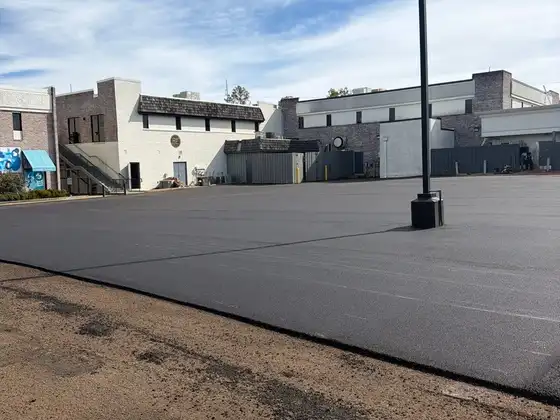
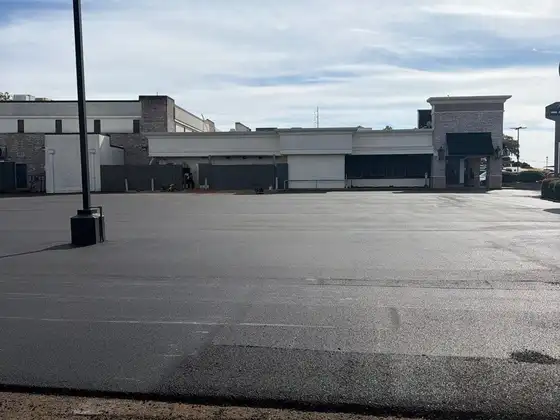
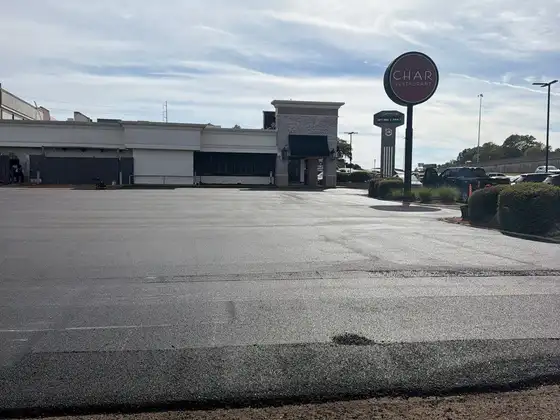
What asphalt resurfacing actually does
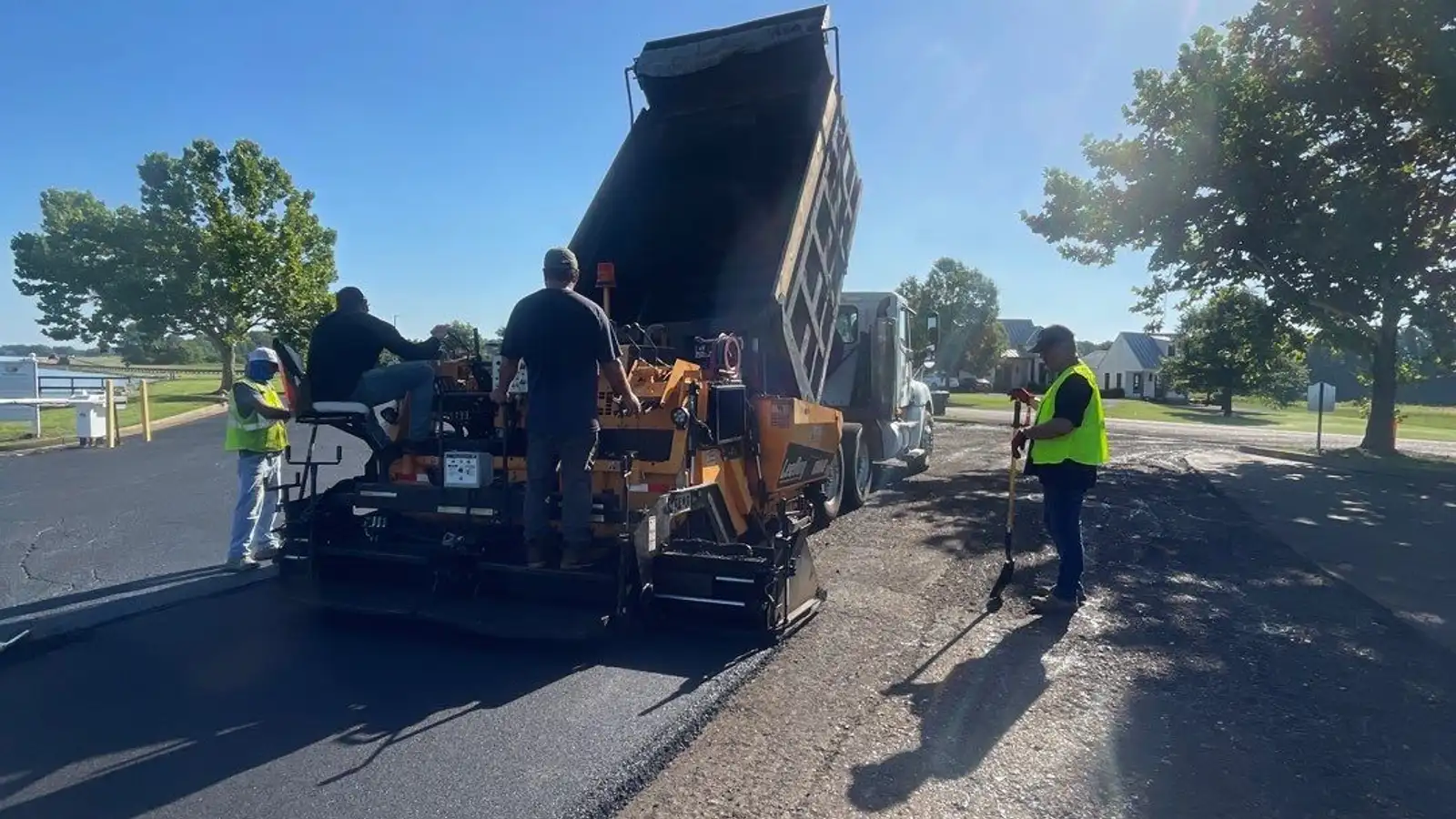
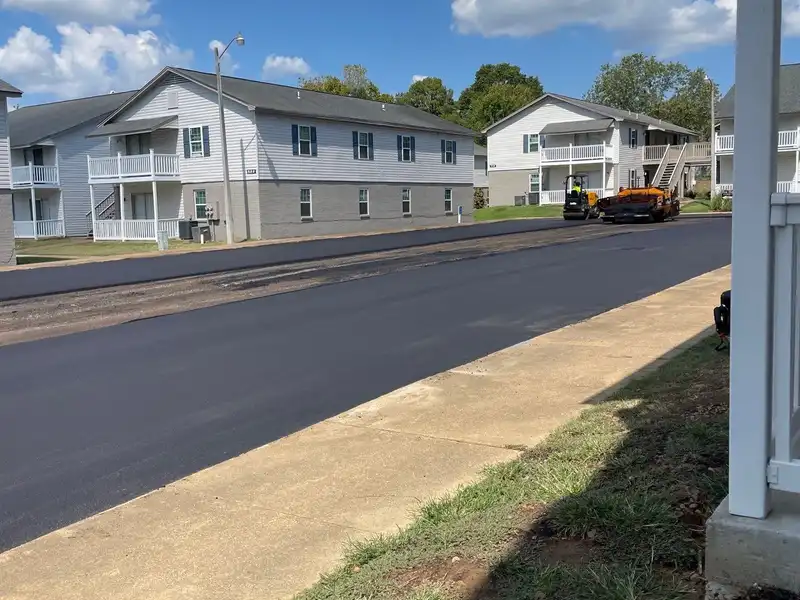
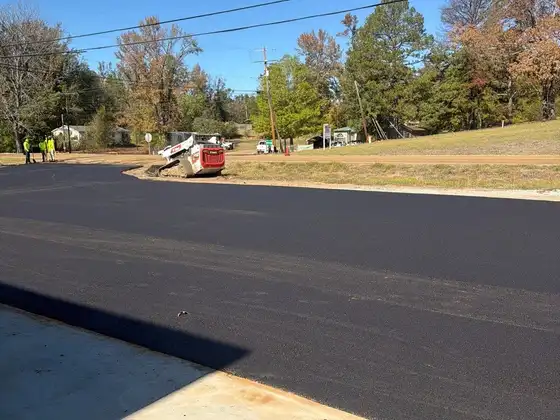
An overlay is a new layer of hot asphalt bonded on top of your existing pavement. The old asphalt and base stay in place and keep carrying the load. The new layer gives you a fresh surface and adds strength.
It sits between the other two options. Driveway repair fixes defined damage in specific spots. Replacement tears everything out and builds new, the way we build a new asphalt driveway. Resurfacing renews the whole surface while reusing a base that still works.
That last part is the condition. The base has to be sound, or the new layer inherits every problem under it.
When resurfacing works, and when it won't hold
Good candidates for an overlay:
- Asphalt that has turned gray, dry, and rough
- Lots of fine surface cracks with no sinking around them
- Raveling, where loose stone is coming off the surface
- Shallow wear in the traffic lanes
- Pavement that looks tired but still drives solid
Poor candidates:
- Alligator cracking across large areas, a sign the base is failing
- Potholes that go down into the base
- Sunken areas and standing water from drainage problems
- Pavement that flexes or ruts deeply under traffic
If a few areas fall in the second list and the rest is in good shape, we repair those spots first and then overlay. If most of it does, an overlay is money spent on top of a problem, and we will recommend replacement.
Edges, drains, and transitions
Most overlay problems show up at the edges. Every new layer raises the surface, and if nobody plans for that, you get a lip at the garage door, water pushed toward the house, curbs that look half buried, and drains sitting below the pavement around them.
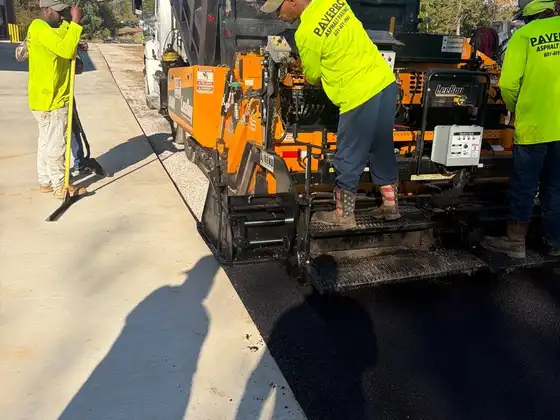
We handle this by milling, which means grinding the old asphalt down along those edges before paving, so the new surface ties in flush with the garage slab, sidewalk, street, and curb line. On parking lots, the same attention goes to drain inlets and ADA ramps, where a raised edge creates a trip hazard. Large lots that need the whole surface ground down first are a milling job before they are an overlay job.
Commercial asphalt overlays for parking lots
A business lot that has gone gray and cracked tells customers something about the business. Potholes and raised edges are also a liability on property where the public walks. An overlay fixes both while the base is still good, before the lot needs full replacement.
The pavement section is spec'd per job. Delivery lanes, dumpster pads, and bus routes carry more weight than parking stalls, so those areas may need more repair or a heavier section than the rest of the lot.
We plan the order of work around your hours, services, or school calendar so entrances and part of the lot stay usable where the layout allows. After paving, our own crews put back the parking lot striping: stalls, ADA spaces and markings, fire lanes, arrows, and crosswalks. Night and weekend striping is possible for some projects.
What drives the cost of asphalt resurfacing
Square footage matters, but the condition of what is already there matters as much. These are the factors that move a resurfacing quote:
- Total area being overlaid
- How much patching and base repair has to happen first
- Milling at garage slabs, curbs, sidewalks, and drains
- The thickness the traffic calls for
- Restriping and ADA markings on parking lots
- Phasing the work so a business can stay open
Someone comes out to check the existing pavement and grade, and then we send a free, written, itemized quote with no hidden fees.
Paving day and caring for a new overlay
Asphalt needs a dry surface to bond, so rain on paving day means we reschedule. Once it is down, cars can drive on it after about 24 hours. Heavy trucks should stay off for 48 to 72 hours.
The new layer keeps curing for 6 to 12 months and stays softer than old asphalt during that time, especially on hot afternoons. Avoid turning wheels in place, and keep trailer jacks and kickstands off it. After it cures, sealcoat it, reseal every 1 to 2 years, and fill cracks while they are small.